

Why Invest
Why Invest in Fine Wine?
Discover the compelling investment case for fine wine as a cornerstone of alternative asset portfolios.
Historical Performance Comparison
Fine Wine vs Traditional Asset Classes (2014-2024)
Investment Advantages
Strong Historical Performance
Fine wine has consistently outperformed traditional asset classes with average returns of 13.6% annually since 2000, demonstrating resilience across market cycles.
Scarcity & Demand
As fine wine ages, supply naturally decreases while demand from emerging markets continues to grow, creating a powerful supply-demand dynamic.
Low Correlation
Wine prices show minimal correlation with equity markets, providing excellent portfolio diversification and downside protection during market volatility.
Tangible Asset
Unlike stocks or bonds, fine wine is a physical asset you can hold, store securely, and ultimately enjoy—offering both financial and experiential value.
Blue-Chip Asset Status
Investment-grade wines from prestigious estates have earned “blue-chip” status among alternative assets. These wines have demonstrated consistent appreciation across decades, maintaining value even during economic downturns.
The limited production volumes, combined with centuries-old reputations, create a defensive asset that provides both growth potential and portfolio stability.

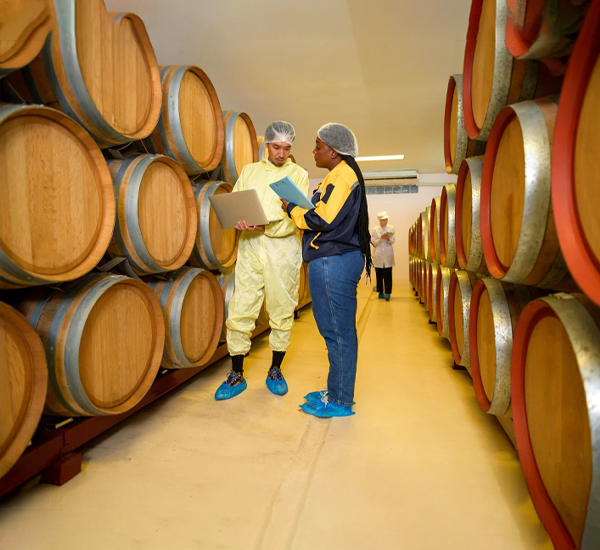


Supply & Demand Dynamics
The fine wine market operates on fundamental supply-demand economics that create natural price appreciation over time. Unlike traditional commodities, fine wine has a fixed supply from each vintage that only decreases as bottles are consumed.
Simultaneously, global demand continues to grow, particularly from emerging markets in Asia where wine collecting culture is rapidly expanding. This creates a structural imbalance favoring long-term price appreciation for investment-grade wines.
Tax Benefits
Under UK tax law, fine wine qualifies as a “wasting asset” with an expected lifespan of less than 50 years, making it exempt from Capital Gains Tax (CGT) when sold at a profit.
Additionally, wine stored in government-approved bonded warehouses incurs no VAT until removed from bond, providing significant tax efficiency throughout the investment period.